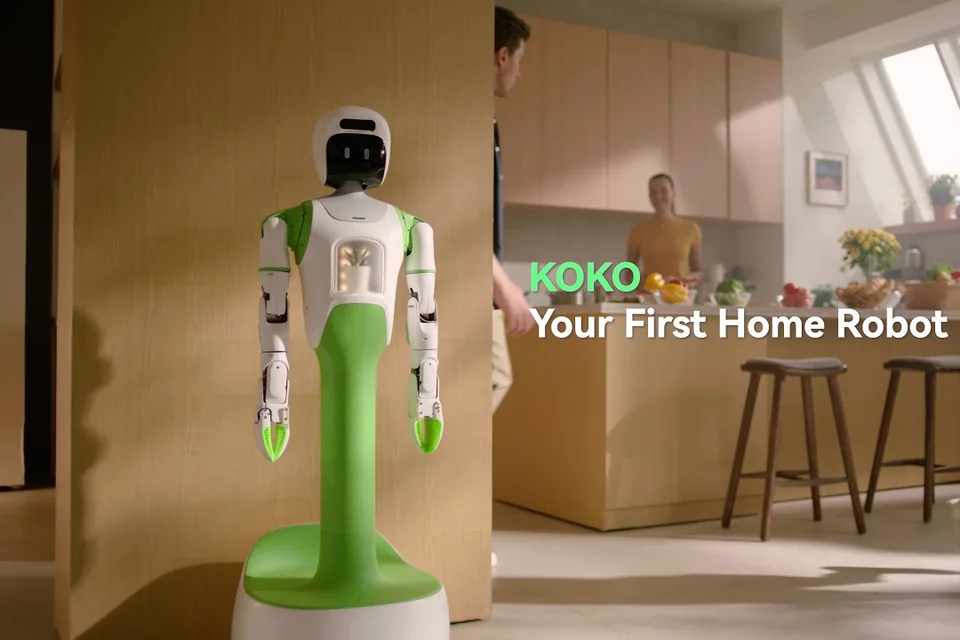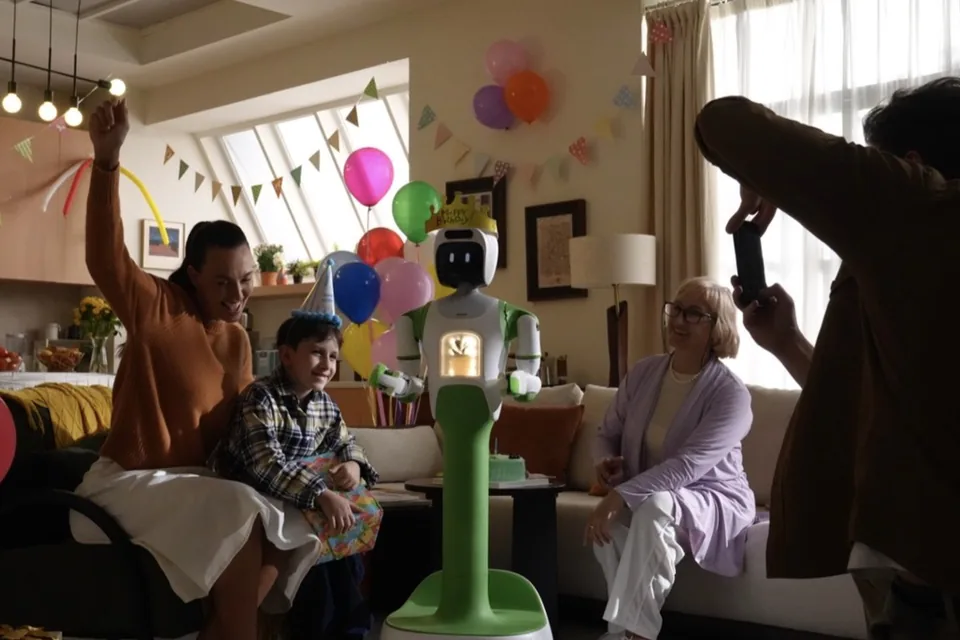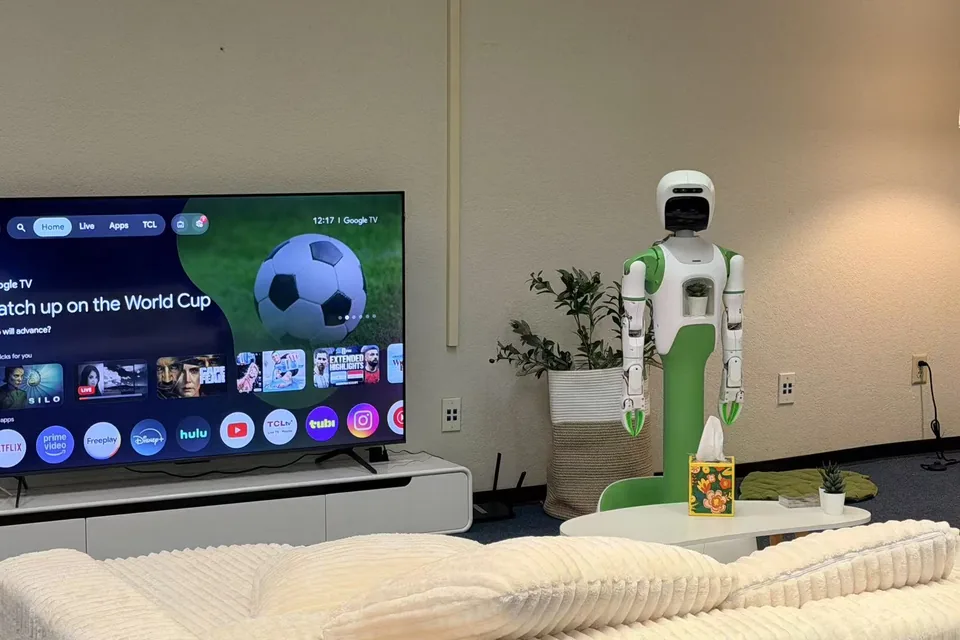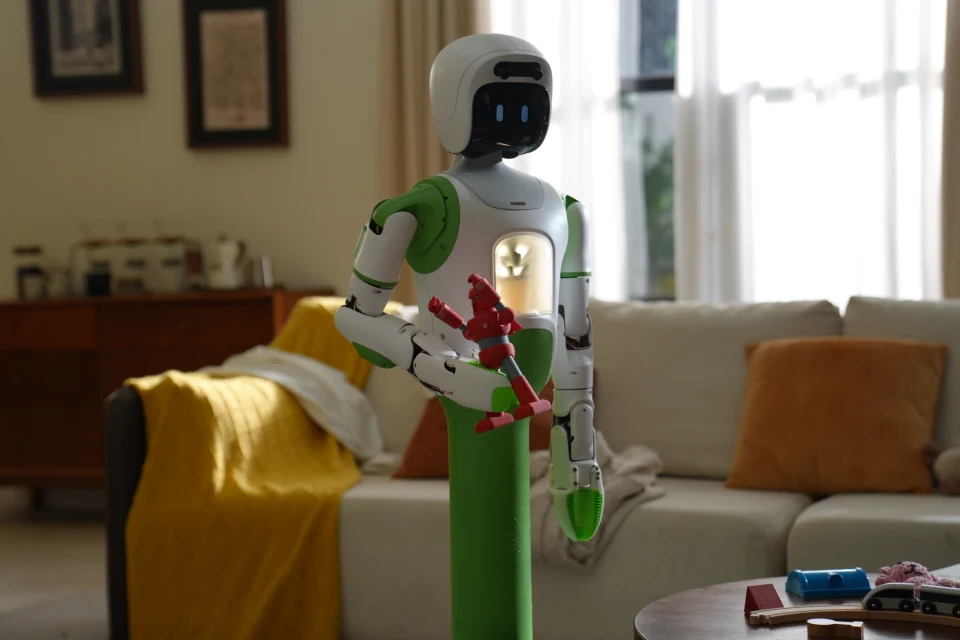
Homebot One Inc KOKO: A Guide to the Home Robot
Meet Homebot One Inc KOKO: explore the home robot, its development status, KOKO vs. Coco spelling questions, and what to ask before a demo.
Learn with Homebot One Inc
Get to know Homebot One Inc KOKO. Explore pricing, demos, privacy, safety, daily use, research, and development through practical home robot guides.
Featured story
Meet Homebot One Inc KOKO: explore the home robot, its development status, KOKO vs. Coco spelling questions, and what to ask before a demo.
Read the story107 articles
Meet Homebot One Inc KOKO: explore the home robot, its development status, KOKO vs. Coco spelling questions, and what to ask before a demo.
Where to watch Homebot One Inc’s three-minute Introducing KOKO film, what its real-footage label means, and how to compare it with written product commitments.
How to follow Homebot One Inc’s KOKO campaign before launch, what Notify me on launch does, and what the page says about the first 10 production units.
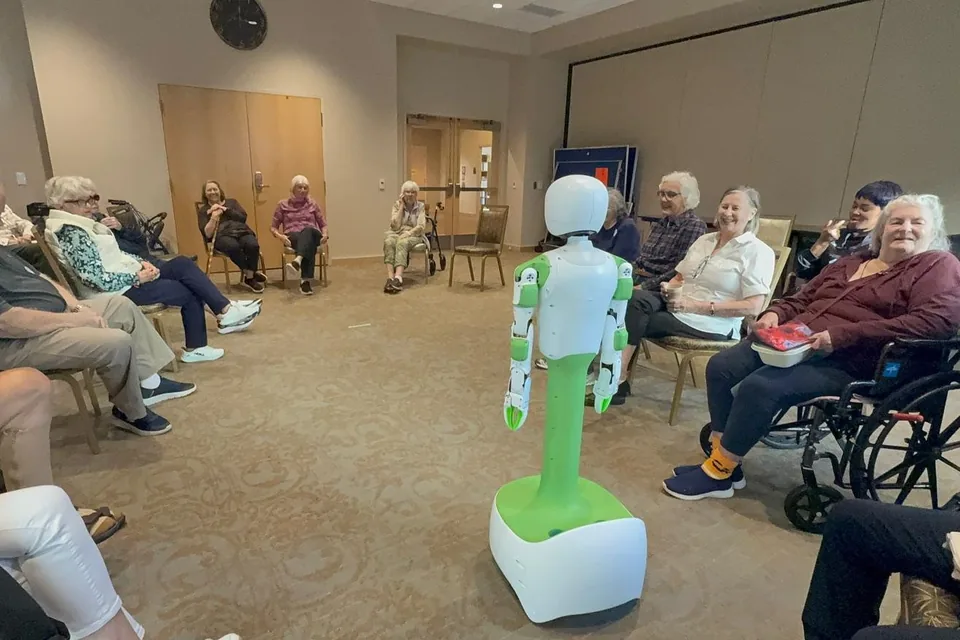
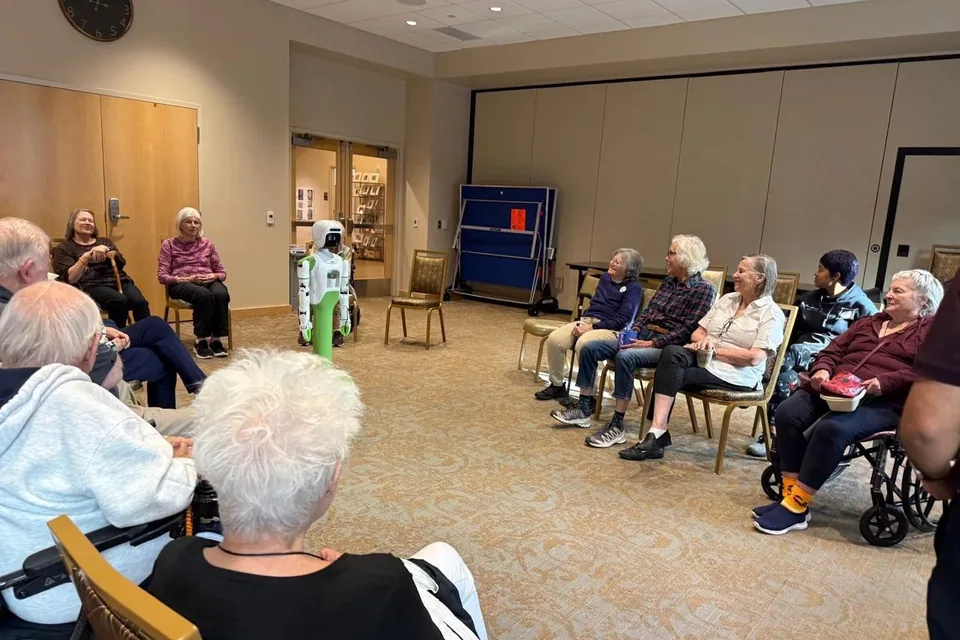
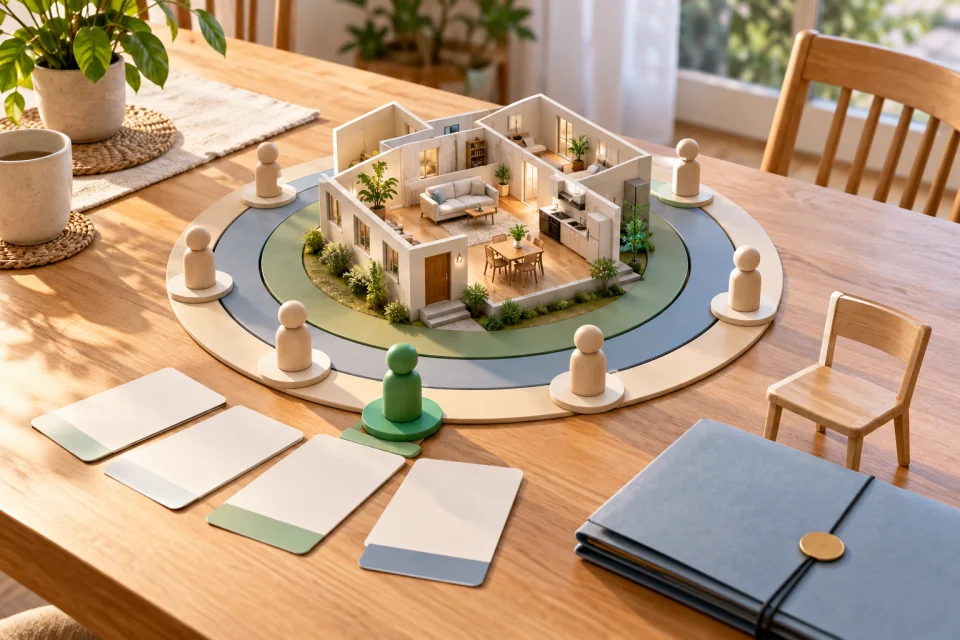
A practical guide for senior living teams planning a KOKO group session: room setup, staff roles, safety, privacy and photo consent, and what to note afterward.
The safety details Homebot One Inc publishes for KOKO: an omnidirectional base, a 1 m/s top speed, a 66 lb low base, collision detection and an emergency stop.
Homebot One Inc calls itself superintelligence-native: everyone leads a team of ten AI agents. What that means for how KOKO is built, and what it does not claim.
Meet the co-founders and clinical advisor behind KOKO at Homebot One Inc, with backgrounds in robotics, embedded AI, health tech, and clinical neuropsychology.
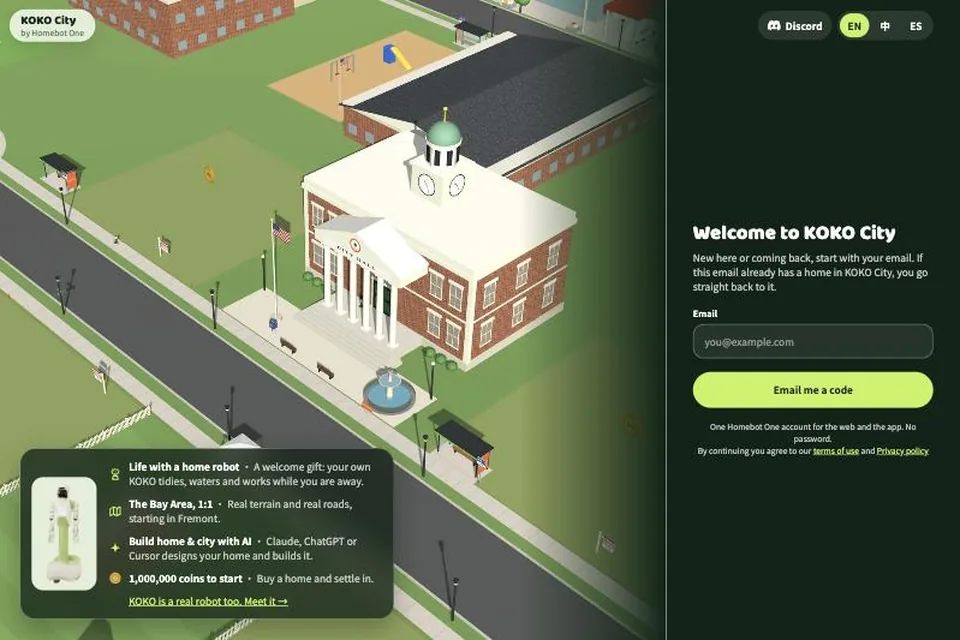
KOKO World opens KOKO City, a virtual Bay Area town where you build a home and live with a virtual KOKO. How it works, and how it differs from the real robot.
A dated roundup of KOKO press coverage in 2026, from CES in January to CEDIA Expo and a September ranking, with links to the original articles and videos.
How a KOKO pilot changes across independent living, assisted living, and memory care: goals, staff roles, consent, and extra care for residents with dementia.
A step-by-step plan for senior living teams running a KOKO Care pilot: goals, a staff champion, consent, a session schedule, what to measure, and a closing review.
When a parent’s senior living community pilots KOKO, these questions help families understand consent, privacy, photos, supervision, opting out, and feedback.
Decide whether a home robot price is right by defining useful routines, full costs, evidence, alternatives, and a decision rule before buying.
Review a Homebot One Inc KOKO deposit or payment request by checking the offer, refund rules, milestones, records, and total obligation before paying.
Build a complete KOKO landed-cost estimate by separating the quoted configuration from delivery, tax, installation, training, delay, and contingency costs.
Verify whether KOKO purchase, lease, rental, subscription, or pilot access is offered, then compare written costs, duties, and end terms without assumptions.
Choose an appropriate KOKO commitment by separating a proof of concept, a real-setting pilot, and a purchase, with evidence and decision gates for each stage.
Create a requirements-based KOKO acceptance plan covering configuration, routines, controls, documentation, defects, retesting, and written signoff.
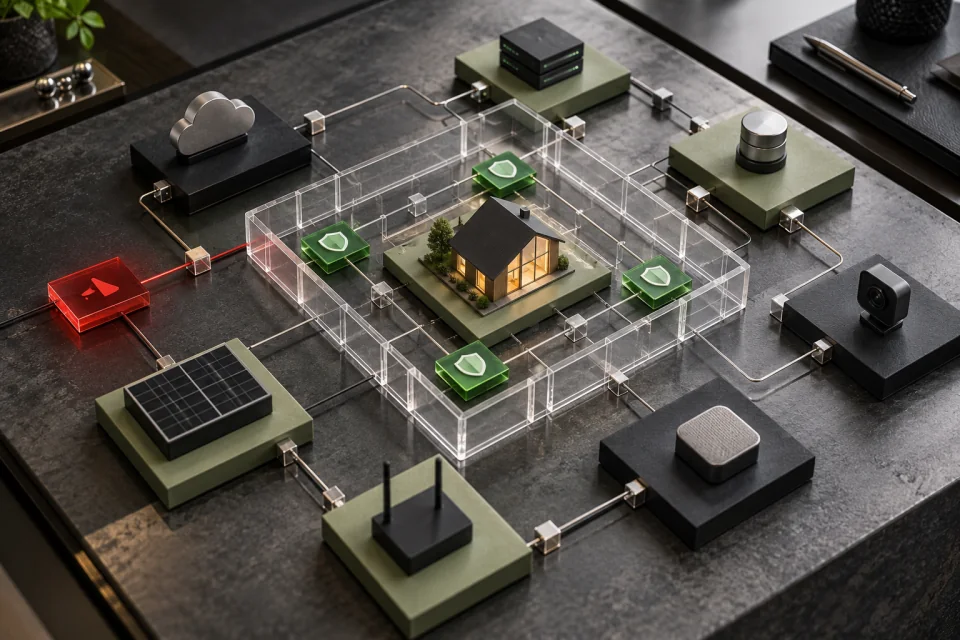
Use NIST and CISA guidance to request KOKO cybersecurity evidence covering device controls, updates, support, vulnerabilities, and lifecycle duties.
Estimate the cost of KOKO downtime by defining useful availability, support response, restoration, exclusions, human backup, and written service terms.
Measure the household time behind a KOKO evaluation, including setup, learning, supervision, recovery, administration, support, and end-of-use work.
Keep a KOKO quote reviewable by recording its validity period, configuration, assumptions, approvals, and the cost and schedule effect of every change.
Build a KOKO requirements matrix that links each household or program need to evidence, written scope, acceptance results, lifecycle ownership, and decisions.
Map what a KOKO trial may collect, where data may travel, how long it may be kept, and how export, deletion, backups, and account closure should work.
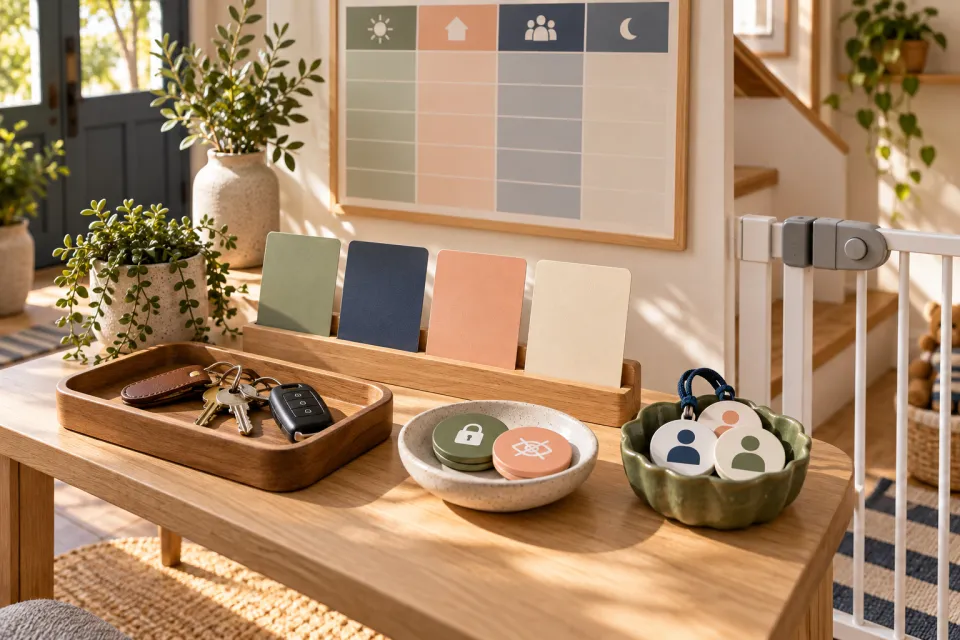
Plan questions about KOKO household, guest, developer, and support access, including sign-in, least privilege, activity review, recovery, and offboarding.
Prepare roles, triggers, safe containment, evidence, communications, recovery, and a short tabletop exercise for a suspected KOKO cybersecurity incident.
Learn what the voluntary U.S. Cyber Trust Mark means, how to verify an exact KOKO product claim, and which security questions a label cannot answer alone.
If a KOKO Accessibility Conformance Report is offered, review its exact version, applicable criteria, evaluation methods, remarks, testing, and support.
Determine when HIPAA roles, a business associate agreement, FTC health-breach rules, and written data safeguards may matter for a KOKO Care pilot.
Plan a home-based KOKO study with the right IRB determination, participant and bystander consent, data boundaries, withdrawal, safety, and protocol records.
Verify KOKO recall or safety-alert claims by matching the manufacturer, exact model and version, official CPSC or Homebot One Inc notice, hazard, and remedy.
Threat-model a KOKO prototype by mapping assets, actors, data flows, trust boundaries, misuse cases, physical consequences, controls, tests, and review gates.
Define KOKO oversight by routine and risk: accountable people, approval boundaries, intervention levels, logs, escalation, review metrics, and change control.
A practical Homebot One Inc KOKO buyer hub for evaluating quotes, total cost, pilots, support, privacy, safety, and long-term value without guessing a retail price.
Use this KOKO quote checklist to identify the configuration, included services, recurring charges, support, and exit terms in a Homebot One Inc offer.
Plan a KOKO pilot budget around a clear decision, test conditions, people time, safety, support, and next steps instead of hardware cost alone.
Separate one-time setup costs from recurring and usage-based costs when evaluating Homebot One Inc KOKO, then compare scenarios over a consistent time period.
Estimate KOKO cost per useful routine with an observed completion definition, realistic frequency, assistance time, support cost, and transparent uncertainty.
Evaluate a KOKO support plan by coverage, response, repair coordination, software support, communication, and the cost of downtime—not by plan name alone.
Use a software-update policy checklist to evaluate KOKO security support, update control, compatibility, recovery, documentation, and end-of-support planning.
Before accepting a KOKO offer, ask for written warranty and repair terms covering scope, exclusions, parts, labor, shipping, downtime, updates, and remedies.
Plan for deposits, cancellation, returns, freight, termination, account closure, data handling, and hardware removal before accepting a KOKO pilot or offer.
Plan KOKO electricity and charging costs by measuring active, charging, standby, and accessory loads, then applying local rates and realistic use patterns.
Evaluate Homebot One Inc KOKO through privacy controls, data portability, support obligations, and household value instead of treating data practices as fine print.
Build a shared Homebot One Inc KOKO value plan for children, adults, older relatives, guests, and the person responsible for the household budget.
Plan a KOKO Care pilot around program costs, human oversight, training, consent, escalation, and measurable outcomes without assuming a medical function.
Budget a Homebot One Inc KOKO research evaluation across platform access, study design, participant work, data management, staffing, and decision gates.
Estimate a Homebot One Inc KOKO developer project across access, engineering, integration, physical testing, support, security, and iteration risk.
Build a reviewable KOKO procurement case with verified facts, cost assumptions, evaluation evidence, decision gates, and written approval conditions.
Define KOKO pilot metrics for outcomes, reliability, human effort, safety, privacy, accessibility, adoption, and total evaluation cost.
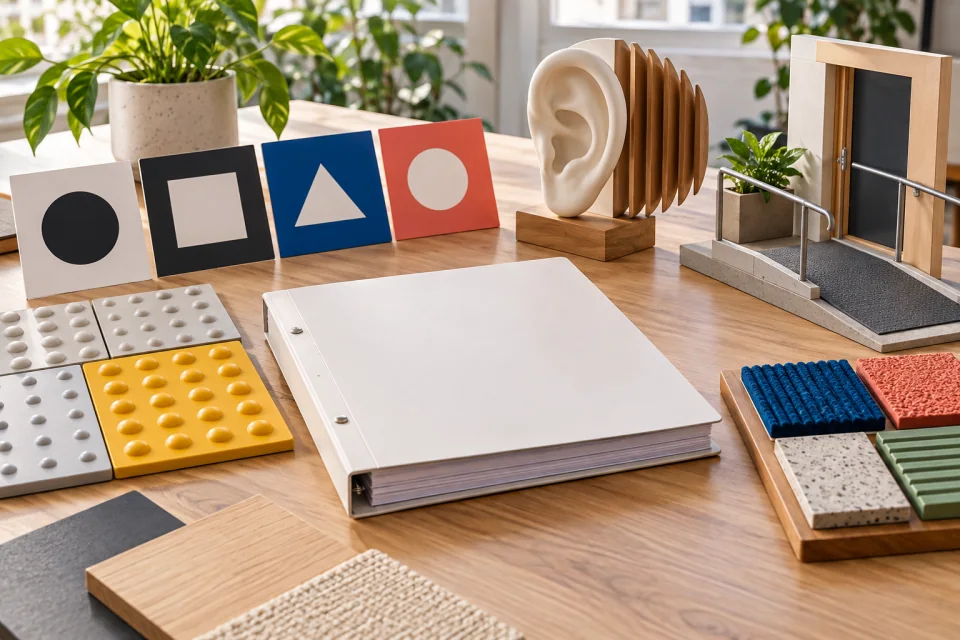
Evaluate KOKO accessibility through individual goals, usable controls, understandable feedback, recovery, support effort, evidence, and total cost.
Plan KOKO deployment costs across the physical site, connectivity, privacy, security, household training, support, contingency, and exit.
Decide whether KOKO fits a household budget using confirmed terms, total cost, scenarios, value evidence, affordability limits, and a written review date.
OpenAI and Homebot One Inc KOKO entered a third-party September 2026 home robot ranking. See the exact placements, methodology, and limits of the list.
KOKO entered Humanoid Home News’ September 2026 home robot Top 10 at No. 9. Learn what that editorial placement means and what it does not confirm.
Humanoid Home News placed an unnamed OpenAI entry at No. 5 in September 2026. Understand what was reported, what remains unknown, and how it differs from KOKO.
OpenAI and Homebot One Inc appeared in the same September 2026 ranking, but that does not establish a partnership. Learn what evidence would be needed.
OpenAI, Homebot One KOKO, and Nori A3 were new entries in a September 2026 home robot Top 10. Compare the public facts without inventing a performance race.
Learn the factors Humanoid Home News says it considers, why its leaderboard is editorial, and how to use it without turning positions into unsupported scores.
KOKO’s September Top 10 entry does not establish retail availability. Learn to separate editorial recognition from waitlists, demos, pilots, and purchase terms.
A home robot ranking and a hands-on review answer different questions. Learn how to identify the evidence behind each and evaluate KOKO coverage accurately.
Home robot rankings are dated snapshots. See how evidence, access, editorial criteria, and category changes can move positions without rewriting history.
Verify KOKO’s September 2026 Top 10 entry with a simple source hierarchy that separates the publisher’s ranking from Homebot One Inc product information.
Check whether a KOKO video is official, reposted, edited, current, or taken out of context before relying on its product claims.
“ABS robot” can refer to a plastic material, an alleged brand or model, or an incomplete query. Learn how to identify the intended meaning.
Understand what an ABS material claim means for a home robot, which grade and test details matter, and why the finished design still needs evaluation.
Determine whether “ABS Robot” names a manufacturer, model, plastic material, or incomplete search phrase before comparing it with KOKO.
Homebot One Inc has not publicly identified KOKO as an “ABS robot.” Learn what ABS may mean and what evidence would confirm a material claim.
Use Homebot One Inc’s official domains, current KOKO spelling, and source checks to avoid look-alike sites, unrelated Coco products, and stale pages.
As of September 30, 2026, Homebot One Inc has not published a retail KOKO release date. Learn how to read demos, waitlists, debuts, and access updates.
A dated KOKO specification audit separating Homebot One Inc’s confirmed public statements from dimensions, battery, payload, materials, and other unknowns.
Separate demonstrated KOKO capabilities from roadmap ideas, research goals, and future possibilities with a practical evidence checklist.
Learn what humanoid, mobile robot, and service robot mean, and why KOKO should be described from its current form and demonstrated function.
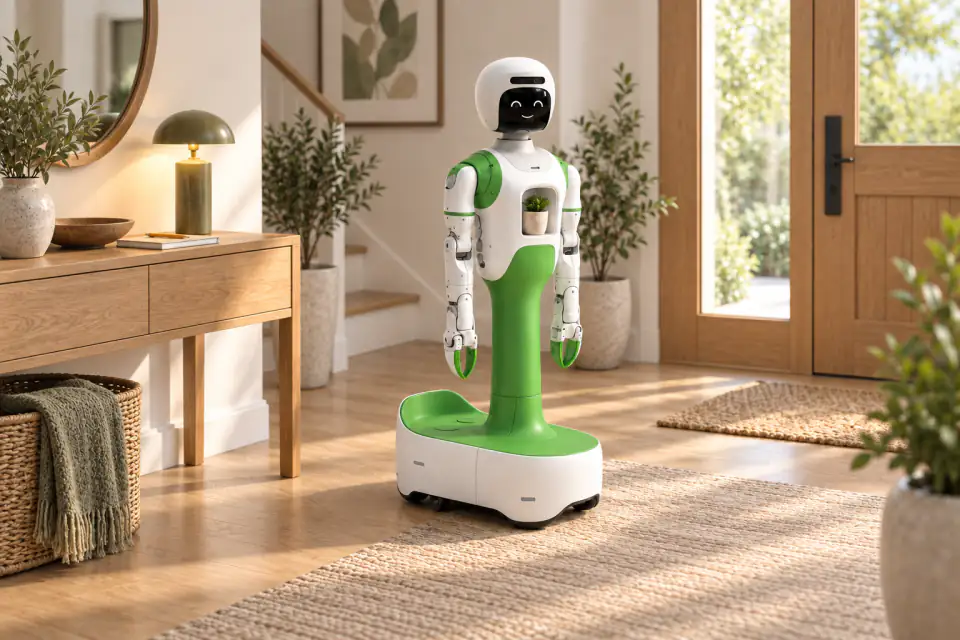
Compare KOKO’s pictured floor-moving base with a bipedal home robot by examining routes, reach, recovery, and task evidence without inventing specifications.
Understand service-robot terminology and how to describe KOKO by its intended setting, current task evidence, and level of human assistance.
Evaluate whether a current KOKO program could fit an apartment by checking routes, shared space, charging, connectivity, privacy, and house rules.
Plan a cautious KOKO evaluation in a multi-level home by treating stairs as boundaries and asking about routes, handling, controls, and fallback.
Plan a calm, supervised KOKO evaluation around pets with distance, escape space, household controls, clear stop rules, and no assumed compatibility.
Set clear consent, supervision, privacy, control, and house rules before evaluating KOKO around children, guests, caregivers, or workers.
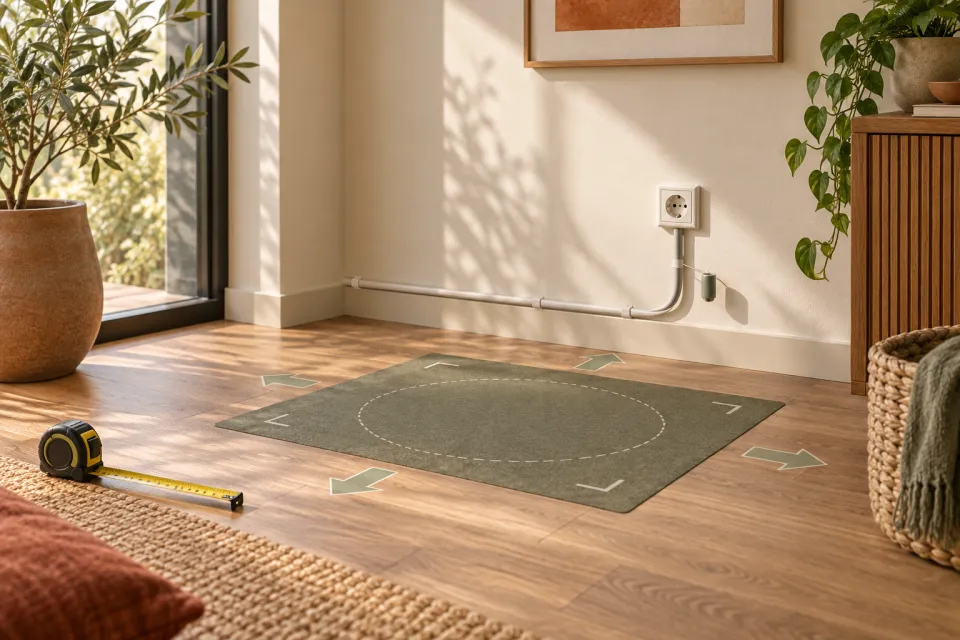
Plan questions for a KOKO charging or home position without assuming electrical, clearance, docking, ventilation, or relocation requirements.
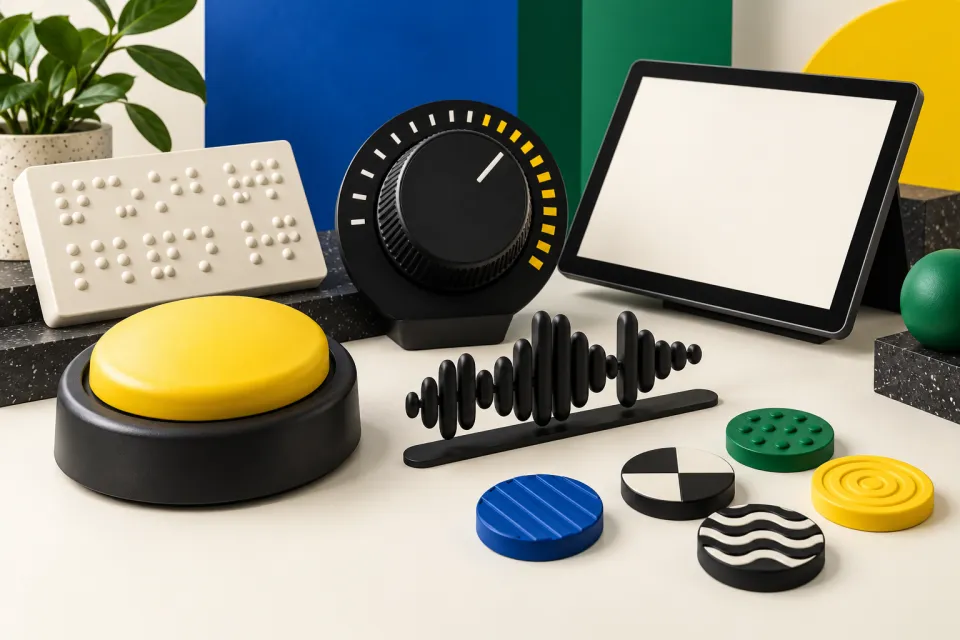
Evaluate KOKO interaction around a person’s stated access needs, current controls, task evidence, failure recovery, privacy, and human backup.
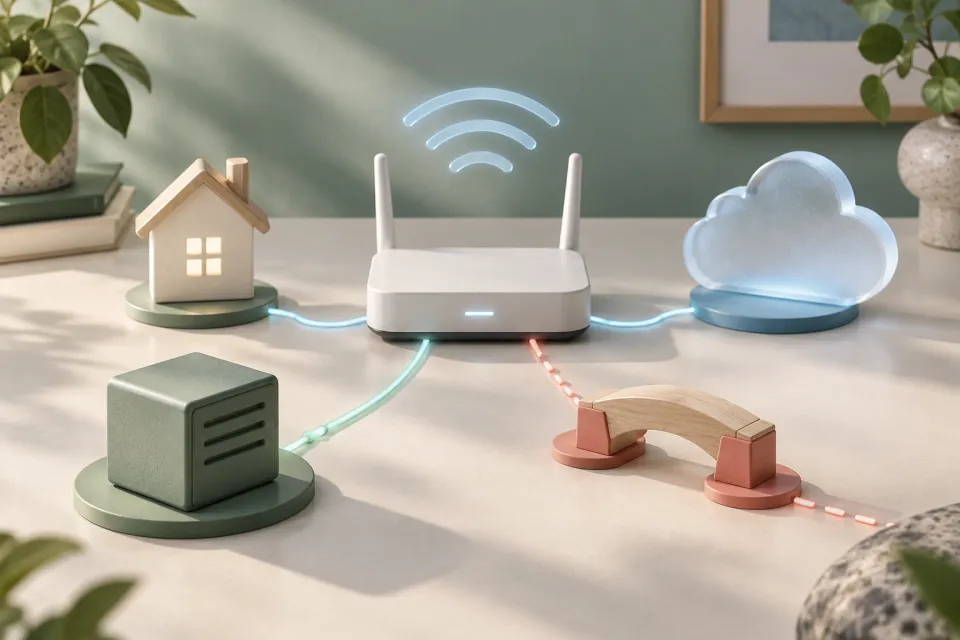
Ask which KOKO functions need Wi-Fi or internet access, what works offline, how interruptions behave, and which network and account controls apply.
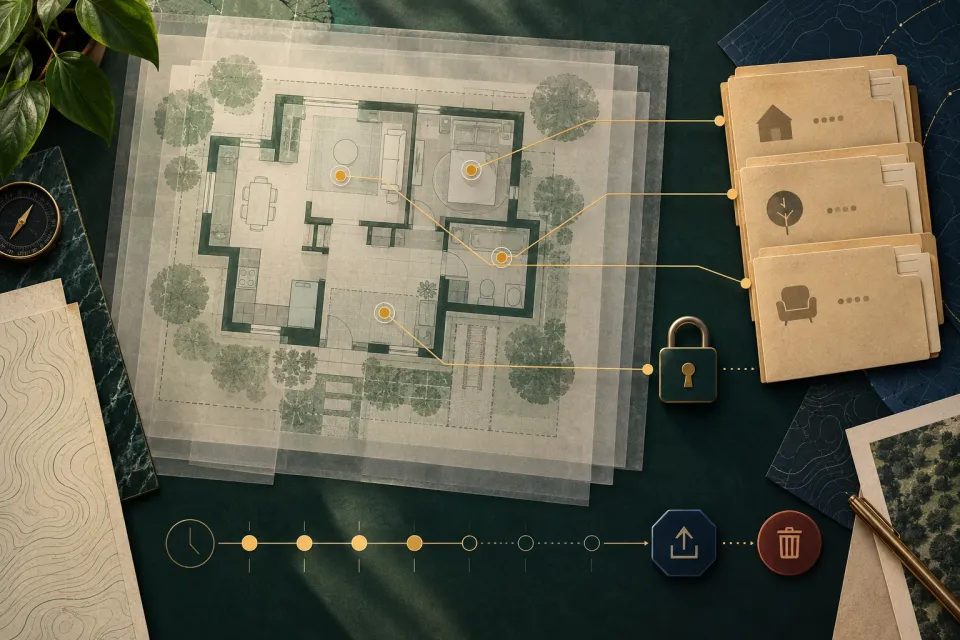
Ask what KOKO may map or infer about a home, where spatial data goes, who can access it, how long it remains, and how to delete it.
Use this sourced KOKO fact sheet to identify Homebot One Inc, resolve KOKO and Coco names, understand public status, and ask better product questions.
Searching for the KOKO or “Coco” robot price? No public retail price has been announced. See what to ask about demos, availability, and ownership costs.
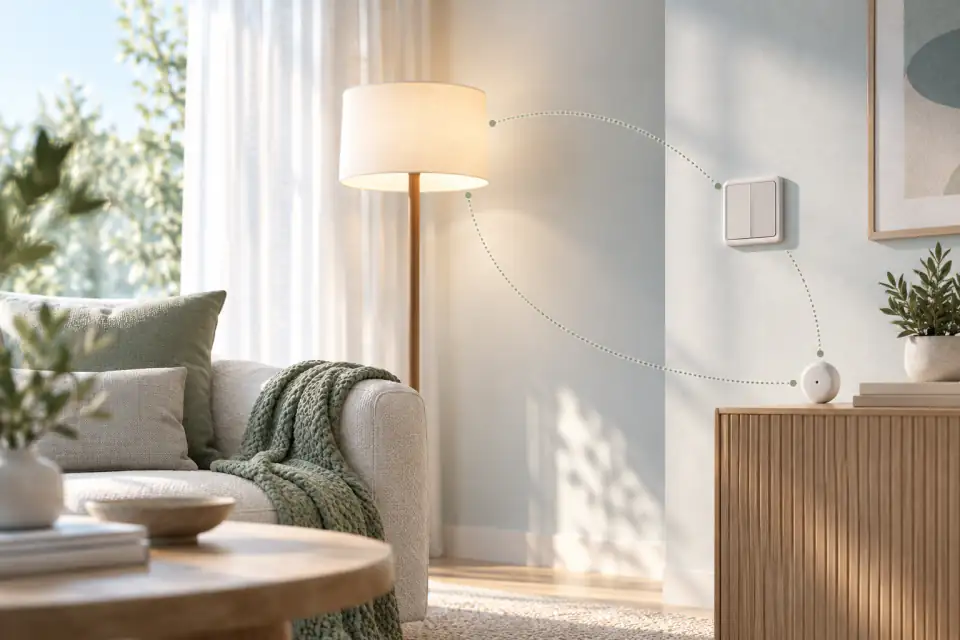
Explore Homebot One Inc KOKO and smart home automation: physical interaction, connected devices, and the compatibility questions to ask before a demo.
Prepare for a Homebot One Inc KOKO demo. Ask about robot capabilities, price, availability, privacy, setup, and the support your household would need.
Compare the Homebot One Inc KOKO lineup: Home, Care, Research, and Developer. Explore intended uses, development status, and the right starting point.
Searching for the Coco home robot? Learn why Homebot One Inc spells its robot KOKO, how to identify the official project, and how to check similar names.
Homebot One Inc is the Fremont company developing KOKO. Learn how its KOKO lineup is organized and where to find official product updates.
KOKO is being developed by Homebot One Inc in Fremont, California. Verify the company, official domains, product name, and current public program.
KOKO access can vary by program and location. Learn what the official waitlist and demo request mean and which questions to ask Homebot One Inc.
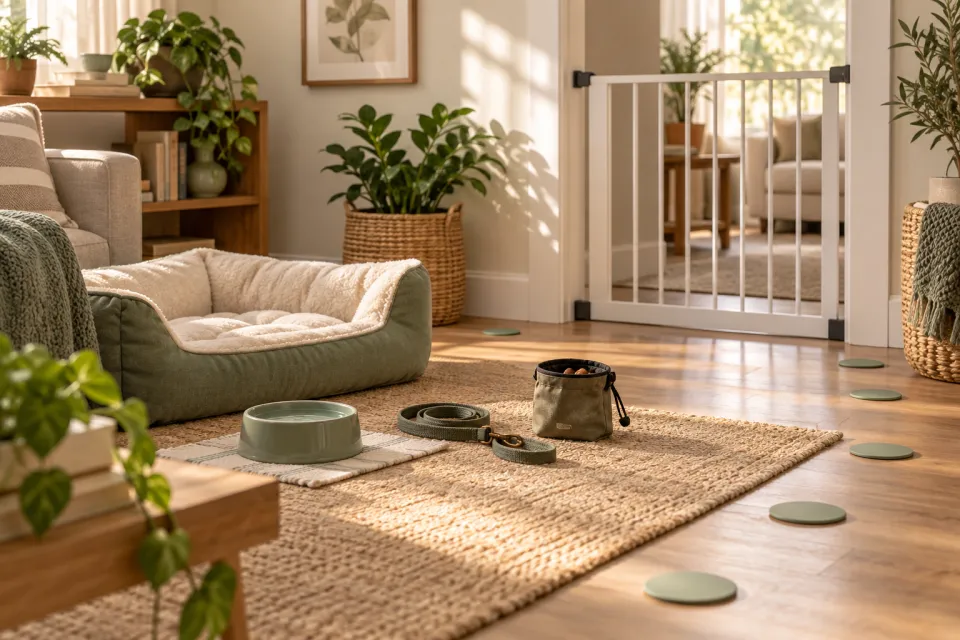
Prepare for a useful KOKO demonstration with a room plan, one realistic routine, and questions about movement, supervision, privacy, safety, and support.
Ask how a home robot handles accounts, maps, audio, images, retention, sharing, access, updates, and deletion before a demo or setup.
Plan a KOKO evaluation by reviewing routes, stairs, pets, charging, cables, stop controls, supervision, incidents, and current documentation.
Plan a KOKO home setup with current instructions, a first route, secure Wi-Fi, household privacy rules, charging, controls, and a baseline.
Turn a broad home robot idea into a small KOKO routine with a clear trigger, outcome, human role, exception plan, and weekly review.
Ask about KOKO software support, cleaning, repairs, parts, diagnostics, account recovery, data handling, and end-of-use before long-term deployment.
Build a realistic home robot budget by counting setup, service, software, maintenance, support, and exit costs alongside the initial price.
Compare home robot prices on equal terms by checking product scope, current capabilities, service, support, privacy, and purchase conditions.
Use this 30-question checklist to evaluate a home robot’s usefulness, evidence, usability, privacy, service, and long-term value.
Use these 25 questions to get a clear KOKO price conversation covering access, included hardware, software, support, privacy, timing, and total cost.
Compare a physical home robot with a smart speaker across interaction, movement, setup, privacy, reliability, and the household jobs each can address.
Understand how a home robot differs from a smart home hub, where the two can complement each other, and what to verify before planning an integration.
A person-first guide to evaluating home robots for aging in place, covering real needs, consent, safety, privacy, family roles, and pilot design.
Evaluate a home robot research platform across research fit, physical system, interfaces, data, study design, safety, reproducibility, and access.
Plan a home robot application around user experience, platform access, physical constraints, testing, security, support, and deployment scope.
Meet KOKO
We’re building KOKO for real homes and daily routines. Get in touch to explore the possibilities with our team.